Leon Schmitt · 1 September 2026
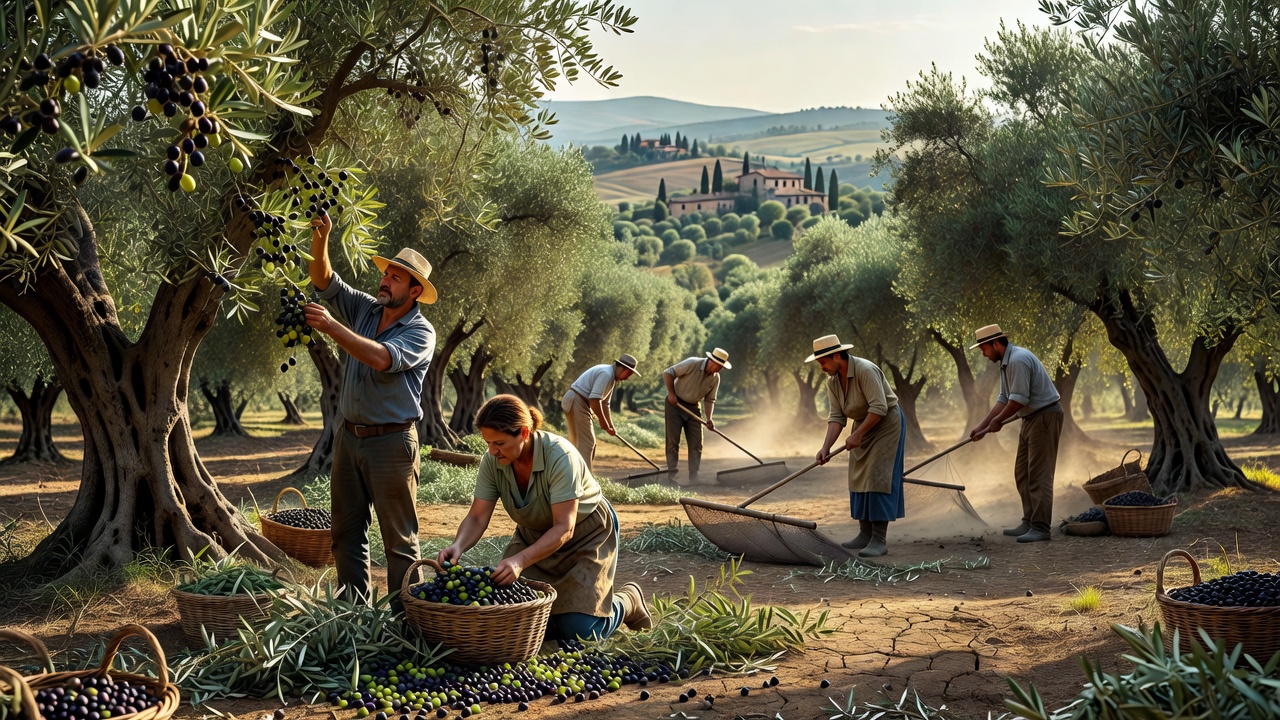
The olive harvest in Porano Umbria has delivered yields exceeding regional averages this season. Local producers attribute the strong results to consistent weather patterns and careful orchard management across the village groves.
Weather and Cultivation Factors
Porano benefited from mild spring temperatures and well-timed summer rains that supported fruit set on traditional varieties such as Frantoio and Moraiolo. Farmers avoided major frost events that affected higher elevations elsewhere in Umbria. Regular pruning and soil monitoring helped maintain tree health throughout the cycle. Harvest crews began collection in late October under dry conditions that preserved fruit quality. Early pressings indicate oil yields per kilogram of olives above the Umbrian mean. Cooperative mills reported steady throughput with minimal downtime. Village records show a fifteen percent increase over the five-year average for the area. These outcomes reflect the advantages of Porano's sheltered valley location and generational knowledge passed among families.
Additional support came from targeted organic treatments that reduced pest pressure without chemical residues. Soil tests conducted in spring confirmed adequate nutrient levels after winter cover crops. Growers noted larger fruit size and higher oil content per olive compared with neighboring districts. Daily temperature ranges remained moderate during critical ripening weeks. This stability allowed even maturation across multiple plots. Local agronomists credit the combination of microclimate and sustainable practices for the surplus. Data collected by the village agricultural association will be shared with regional authorities to document the season's performance.
Economic Impact on Village Life
The elevated production is expected to strengthen Porano's economy through increased sales of extra-virgin olive oil. Several small estates have already secured contracts with national distributors seeking certified Umbrian product. Seasonal workers from nearby towns gained additional employment during the extended picking period. Proceeds from the harvest will fund maintenance of historic terraces and irrigation channels vital to future crops. Community events celebrating the season highlight the central role of olives in local traditions and daily meals. Projections suggest continued strong output if current management practices persist. Porano's results demonstrate how village-scale agriculture can outperform broader regional trends when environmental conditions align with established methods.